In 2026, influencer advertising in Turkey is no longer a game of chance — but only for businesses that understand how to choose influencers based on real impact rather than surface-level metrics. Follower counts, stylish profiles, and viral-looking content often hide the fact that an influencer may not influence purchasing decisions at all.
Many businesses in Turkey have experienced the same situation: a collaboration with a large blogger generates views and likes, but no bookings, no messages, and no customers. This happens because influencer marketing Turkey works on trust and relevance, not on reach alone.
In this article, we explore which influencers actually sell in Turkey, how to recognize them before investing your budget, and how to build a working influencer mix that consistently brings clients. If you are building your strategy from scratch, it is also useful to read our main guide: Influencer Marketing in Turkey: How Businesses Can Find Bloggers in 2026. For collaboration formats, see: Barter or Paid Influencer Advertising — What Is More Profitable?.
Why a “selling influencer” is not necessarily a “big influencer”
The most common mistake businesses make is treating influencers like traditional media channels: the bigger the audience, the better the result. Influencer marketing works differently. What matters is not how many people see the content, but how many trust the person and are willing to take action.
In Turkey, this effect is amplified by audience fragmentation. Influencers often have mixed followers: tourists, locals, expats, and international audiences. If these groups do not match your target customer, impressions become meaningless.
A selling influencer in 2026 is someone whose audience aligns with your business, who has built trust over time, and who knows how to explain value — not just showcase a product.
Micro-influencers: the backbone of real sales in Turkey
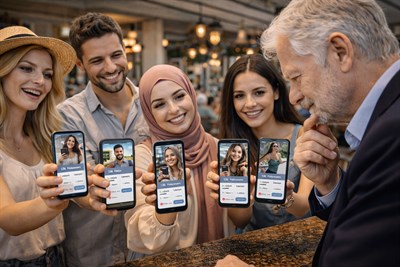
Micro-influencers with 5,000 to 50,000 followers consistently deliver the strongest conversion rates in Turkey. Their content may look simpler, but their recommendations feel personal. Followers perceive them as real people, not advertising channels.
Because their audience is often local and niche-specific, micro-influencers are especially effective for restaurants, cafes, beauty salons, gyms, family services, boutique hotels, tours, and neighborhood businesses. When such an influencer recommends a place, followers often act immediately.
For many local businesses, collaborating with 10–15 micro-influencers produces more sales than a single large blogger with a higher fee.
Niche influencers: precision over scale
Niche influencers focus on a specific topic such as food, travel, real estate, medicine, relocation, family life, or education. Their followers are already interested in the subject, which means recommendations fit naturally into the content.
A restaurant featured by a food blogger or a real estate project reviewed by a property-focused influencer feels relevant rather than intrusive. Even small niche accounts can generate strong commercial results if their audience matches the business.
Community leaders and local opinion makers
In Turkey, community-based influencers play a significant role. These may be Telegram channel admins, local content curators, or bloggers focused on specific cities or expat groups. They often do not look like traditional influencers, but their authority within a community is extremely high.
For businesses offering local services or events, such influencers can generate immediate demand because their recommendations are perceived as trusted guidance rather than advertising.
Why some influencers rarely sell
Not all influencers are suitable for performance-driven campaigns. Accounts with inflated follower numbers, low engagement, or excessive advertising lose credibility quickly. Likewise, influencers whose audience is geographically disconnected from your business often deliver views without results.
Understanding these risks helps businesses avoid wasting budget on visibility without conversion.
How to recognize a selling influencer before collaboration
Selling influencers usually generate questions, discussions, and clear interest from their audience. Comments asking about prices, locations, booking details, or personal experiences are strong indicators of influence.
Another key sign is consistency. Influencers who regularly achieve stable engagement and predictable performance demonstrate skill, not luck.
Measuring results without complex analytics
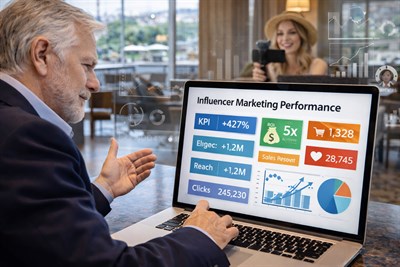
Even without advanced systems, businesses can track influencer effectiveness using promo codes, unique links, booking questions, or direct messages with keywords. For offline businesses, simply asking customers how they found you can provide valuable insights.
A working influencer mix for 2026
The most effective strategy combines different types of influencers: one or two niche experts for credibility, multiple micro-influencers for reach and conversion, and a content creator for high-quality visuals that can be reused across channels.
Why businesses move toward platforms
Manual influencer selection requires time, experience, and constant communication. As campaigns grow, businesses often struggle with coordination and control. This is why influencer marketing Turkey increasingly relies on platforms that centralize search, collaboration, and performance management.
Conclusion
In Turkey, influencers who sell are not necessarily the biggest — they are the most relevant. Businesses that focus on audience match, trust, and content quality turn influencer marketing into a predictable sales channel rather than a gamble.