Influencer marketing in Turkey has evolved from chaotic Instagram barter deals into a structured and highly effective marketing channel. In 2026, advertising with bloggers in Turkey is no longer an experiment — it is one of the most profitable ways for businesses to attract customers.
Hotels, restaurants, clinics, real estate developers, service companies, and e-commerce brands increasingly rely on influencer marketing Turkey as traditional advertising becomes more expensive and consumer trust in personal recommendations remains high.
At the same time, a key challenge has emerged:
How can businesses find the right bloggers in Turkey without wasting their budget?
In this article, we explain:
- how influencer marketing works in Turkey in 2026;
- which bloggers actually deliver results;
- the most effective advertising formats;
- common mistakes businesses make;
- real cases and performance metrics;
- why the market is shifting toward platform-based solutions.
📊 Influencer Marketing in Turkey: Key Figures for 2025–2026
Understanding the market requires data, not assumptions.
- 78% of Turkish businesses use influencer marketing as a permanent promotion channel.
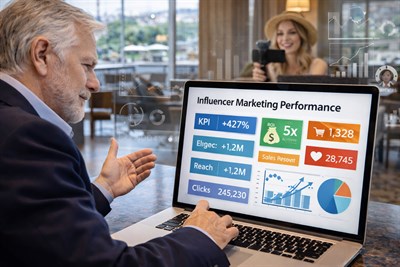
- The average ROI of influencer marketing in Turkey ranges from 3x to 6x.
- In tourism, HoReCa, and service sectors, ROI can reach 8x.
- Micro-influencers (10–50K followers) generate 40–60% higher engagement than large influencers.
- Video formats (Reels, Shorts) convert 2.3x better than static posts.
Conclusion: influencer marketing Turkey is one of the most cost-effective digital channels for local businesses in 2026.
Why Influencer Marketing Is Essential for Businesses in Turkey
Turkey offers a unique environment:
- a population of over 85 million;
- millions of tourists every year;
- high social media usage across Instagram, TikTok, and YouTube;
- a multicultural audience: locals, expats, and international tourists.
For businesses, this means one thing: customers are already on social media, and influencers act as trusted intermediaries.
The Biggest Mistake: “More Followers Means Better Results”
This is one of the most expensive misconceptions in influencer marketing.
- ❌ 300,000 followers ≠ sales
- ❌ a famous blogger ≠ your target audience
- ❌ “everyone uses them” ≠ a strategy
Turkey has many influencers with inflated follower counts or inactive audiences that will never convert.
In 2026, relevance matters more than reach.
Which Bloggers Actually Work in Turkey
1️⃣ Micro-Influencers (5K–50K followers)
- high engagement rates;
- strong audience trust;
- ideal for local businesses.
2️⃣ Niche Influencers
Travel, food, real estate, beauty, family — a clear niche means predictable results.
3️⃣ Expats and Local Opinion Leaders
Especially effective for tourism, restaurants, and services due to authentic, real-life content.
2026 trend: businesses prefer 10 micro-influencers instead of one large influencer.
Best Influencer Advertising Formats in Turkey for 2026
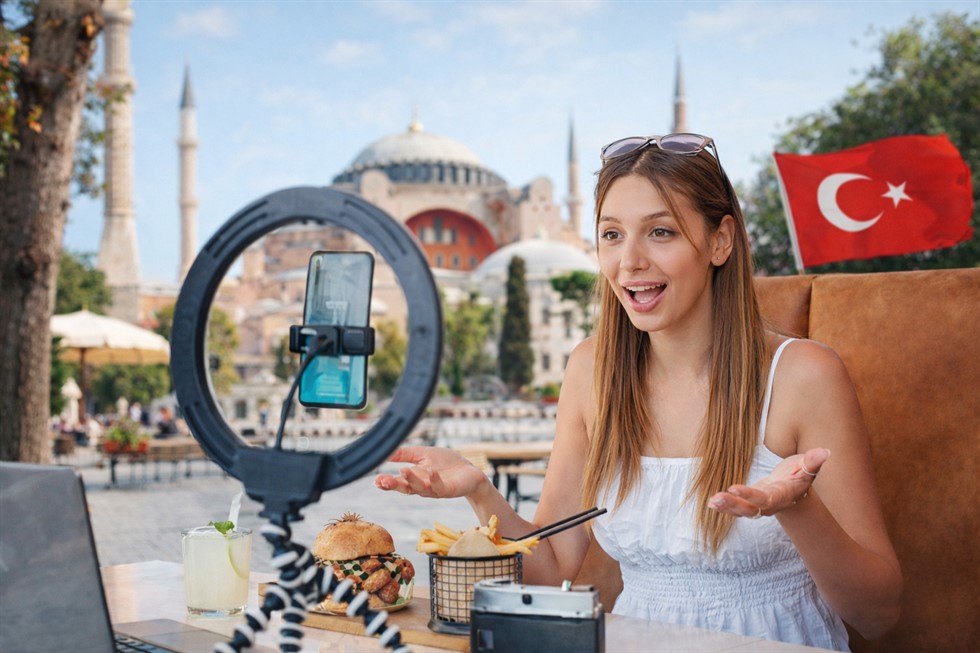
- ✔ Reels and Shorts with personal experiences
- ✔ native Stories without sales pressure
- ✔ video reviews with pinned content
- ✔ campaign series instead of one-off posts
- ✔ hybrid models: barter + paid collaborations
What does not work:
- ❌ scripted advertising posts;
- ❌ emotionless promotional copy;
- ❌ single placements without follow-up.
Barter or Paid Collaborations: What Should Businesses Choose?
Barter works if:
- you operate a hotel, restaurant, or service;
- the product is genuinely appealing;
- the influencer can share real experiences.
Paid collaborations are necessary if:
- deadlines and formats are critical;
- the influencer invests in production quality;
- scaling results is the goal.
The most popular model in 2026 is Barter + Paid.
🧩 Case Studies: How Businesses Succeed with Influencers in Turkey
Case 1: A Hotel in Antalya
Format: barter + Reels + Stories
Strategy: 12 micro-influencers (15K–60K followers)
- +47% inquiries via Direct and WhatsApp
- +62% website traffic
- 5 influencers became long-term partners
Insight: multiple micro-influencers outperformed a single large influencer.
Case 2: A Restaurant in Istanbul
Format: native Stories + Reels
- +38% new guests within 3 weeks
- increased repeat visits
- organic mentions without paid promotion
Insight: Turkish audiences instantly recognize artificial advertising.
Case 3: A Tourist Service Company
- cost per lead reduced by 35% compared to ads;
- first bookings within 48 hours;
- influencers became a stable sales channel.
Why Direct Work with Bloggers Is Becoming Difficult
Businesses often face chaos:
- dozens of Instagram DMs;
- unclear pricing;
- lack of transparency;
- difficulty comparing influencers;
- no execution control.
This is why influencer marketing Turkey is shifting toward platform-based solutions.
Link2Star: A Systematic Approach to Influencer Marketing in Turkey
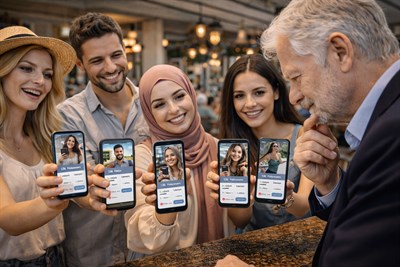
Link2Star is a platform connecting businesses and influencers across Turkey.
For businesses, it offers:
- easy influencer search by niche and city;
- transparent collaboration terms;
- task tracking and control;
- time and budget efficiency.
For influencers — real jobs, clear briefs, and long-term partnerships.
🧭 Business Checklist for 2026
- define your target audience;
- choose formats, not just popular names;
- focus on micro and niche influencers;
- measure results, not impressions;
- use platforms instead of manual outreach.
📝 Final Thoughts
Influencer marketing in Turkey in 2026 is no longer about intuition or random barter deals. It is about strategy, analytics, and the right tools.
If a business wants customers — not just Story mentions — it’s time to act professionally.
Link2Star helps make influencer advertising in Turkey transparent, manageable, and effective.