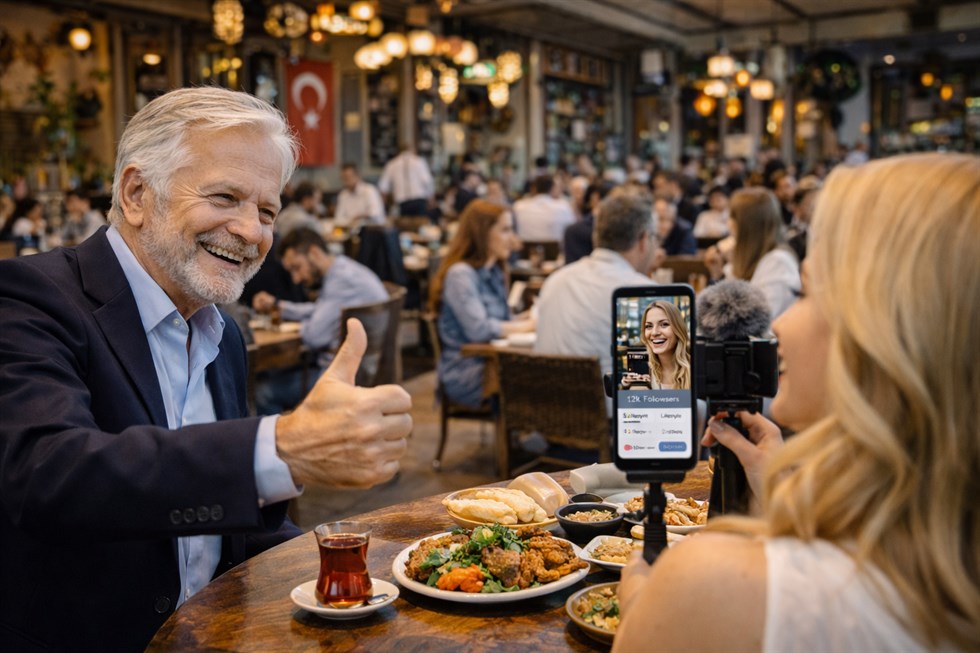
To launch influencer campaign successfully, a business needs three things: a clear goal, the right creators for that goal, and a simple process to brief, track, and evaluate content. This guide explains the step-by-step setup, budgeting, influencer selection, common pitfalls, and why link2star.online is the easiest way to start and scale.
Why Influencer Marketing Works for Business
Influencer marketing works when it is treated like performance marketing with a human face: the creator delivers trust, attention, and context, while the business provides a strong offer, clear messaging, and a frictionless customer path.
- Speed: A campaign can generate reach and demand faster than SEO or organic social alone.
- Trust: People listen to people. A credible creator compresses the “who are you?” stage of the funnel.
- Targeting by interest: Niche creators reach buyers with specific intent (travel, beauty, local services, B2B tools, etc.).
- Reusable assets: Strong influencer content often becomes paid ads, website creatives, and sales collateral.
Step-by-Step Campaign Setup
Step 1: Define the goal (one primary KPI)
A campaign performs best when it has one primary objective and one primary metric.
- Awareness: reach, impressions, video views, profile visits.
- Lead generation: clicks, sign-ups, WhatsApp/DM inquiries, form submissions.
- Sales: tracked purchases, promo-code redemptions, bookings.
- Content: number of usable assets, UGC quality, brand fit.
If the business expects everything at once (views + leads + sales + brand love), the briefing becomes vague and results become hard to evaluate.
Step 2: Pick the offer and the conversion path
Before creators are selected, the business should prepare what happens after the audience clicks:
- Landing page or product page that matches the creator’s message.
- One clear call-to-action (book, buy, register, message, download).
- Simple tracking: UTM links, unique promo codes, or a dedicated inquiry channel.
- A visible “why now” (limited-time bonus, bundle, seasonal advantage, scarcity).
Step 3: Choose campaign format (and keep it consistent)
Formats should align with the platform and buying cycle. For most businesses, one or two formats are enough for the first launch.
- Instagram Reels: best for fast awareness and broad interest discovery.
- Stories with link: best for immediate clicks and warm traffic.
- YouTube integration: best for high intent and longer consideration.
- TikTok: best for reach and impulse interest when the hook is strong.
- UGC-only content: best when the business wants ad creatives rather than organic reach.
Step 4: Set a realistic budget
Budgeting should include more than the influencer fee. A practical first-time budget includes:
- Creator payments: fixed fee, performance bonus, or hybrid.
- Product/service cost: for barter campaigns (if applicable).
- Production allowances: travel, location, additional edits (if needed).
- Boosting: optional paid amplification of top-performing posts.
A smart starting approach is to split budget across multiple creators to test fit and messaging, then scale the winners.
Step 5: Write a brief creators can execute
A brief should be short, concrete, and outcome-oriented. It should include:
- Brand and product/service in 2–3 sentences.
- Target audience and what problem is being solved.
- Key message: one main idea the audience should remember.
- Mandatory points (2–4 bullets max) and what is optional.
- Call-to-action and tracking link / promo code.
- Deliverables: format, duration, posting window, number of revisions (if any).
- Compliance notes: disclaimers, prohibited claims, brand safety rules.
Step 6: Define success and reporting rules
For a clean evaluation, the business should decide in advance:
- Which metrics matter for each format (views, clicks, inquiries, sales).
- When results will be measured (48 hours, 7 days, 14 days).
- How creators will provide proof (screenshots, platform insights, link stats).
Why link2star.online Simplifies Influencer Marketing
Launching an influencer campaign is often slowed down by manual searching, endless DMs, unclear pricing, and messy negotiation. link2star.online simplifies the workflow by helping businesses start faster with a structured approach:
- Faster matching: Businesses can focus on fit instead of scrolling and guessing.
- Clearer selection: The process is built around practical business needs (goal, niche, location, format).
- Less chaos: A campaign can be planned as a repeatable system, not a one-time improvisation.
- Easier scaling: Once a working creator profile is found, the business can expand with similar creators.
For a first-time launch, speed and structure matter more than “finding the perfect influencer.” The platform approach reduces the time spent on low-value tasks and increases the chance of getting consistent outcomes.
Choosing the Right Influencers
The best influencers for a business are not always the biggest accounts. The selection should be driven by business objective, audience match, and content behavior.
What to check before choosing
- Audience match: location, language, interests, purchasing power.
- Content fit: does the creator already make content that naturally supports the offer?
- Engagement quality: real comments, saves, shares, meaningful questions.
- Consistency: stable posting rhythm and stable content style.
- Past integrations: do ads look authentic, or do they feel like “billboards”?
Micro vs macro: a practical rule
- Micro creators: often better for trust, local services, niche offers, and stronger action per view.
- Mid-tier creators: often best for a balance of reach and conversions.
- Large creators: best when the goal is broad awareness and the offer is widely relevant.
A strong first campaign often combines several smaller creators and one medium creator to test messaging and audience response.
Common Mistakes Businesses Make
Most weak campaigns fail for predictable reasons: unclear goals, poor briefs, mismatched influencers, and no tracking. A more detailed breakdown is available in the guide on mistakes: Influencer marketing mistakes businesses should avoid.
- No single KPI: trying to measure everything leads to measuring nothing.
- Choosing by follower count: relevance and trust matter more than size.
- Weak offer: great content cannot save a confusing or overpriced offer.
- No tracking: no UTMs, no codes, no dedicated landing page.
- Over-controlling creators: forcing unnatural scripts reduces authenticity.
- One-and-done thinking: influencer marketing is a compounding system, not a lottery ticket.
Step-by-Step Launch via link2star.online
The easiest way to launch influencer campaign is to run it as a repeatable workflow. A practical sequence through link2star.online looks like this:
1) Prepare the campaign essentials
- Goal and KPI (one primary).
- Offer and landing page.
- Tracking method (UTM, promo code, or dedicated inquiry channel).
- Preferred format (Reels, Stories, YouTube integration, UGC).
2) Select creators based on fit
- Pick creators whose audience matches the buyer profile.
- Prioritize content style compatibility and clarity of communication.
- Start with a test batch (for example, 3–7 creators) to reduce risk.
3) Send a clear brief
- One message the audience should remember.
- 2–4 mandatory points and a clean call-to-action.
- Posting window and deliverables.
4) Launch and monitor early signals
- First 2–6 hours: hook quality (views velocity), saves, shares, profile taps.
- First 24–48 hours: clicks, inquiries, promo code usage.
- First 7 days: conversion quality and cost per result.
5) Scale winners, cut losers
- Double down on creators with the best cost per result (not the most views).
- Repurpose the best-performing content for ads (if rights allow).
- Repeat with similar creators to expand reach without losing relevance.
Key Takeaways
- A campaign performs best with one primary goal and one primary KPI.
- Influencer selection should be based on audience fit and content behavior, not follower count.
- A clear offer and a frictionless landing page matter as much as the creator.
- Tracking (UTMs, promo codes, dedicated links) is non-negotiable for business results.
- Start with small tests, then scale only the creators who deliver efficient outcomes.
- link2star.online reduces manual work and makes influencer marketing easier to launch and scale.
FAQ
How long does it take to launch an influencer campaign?
A basic campaign can be launched within days if the goal, offer, creators, and brief are ready. Most delays come from manual influencer searching and unclear approvals.
What budget is needed to launch influencer campaign for the first time?
There is no universal number, but a first campaign should allocate budget for multiple creators to test performance, plus tracking and basic production needs. Testing a small batch and scaling winners is typically more efficient than betting everything on one creator.
Should a business choose micro-influencers or big influencers?
Micro-influencers often deliver stronger trust and action per view in niche or local markets, while larger influencers are better for broad awareness. The right choice depends on the campaign objective and audience relevance.
How can results be tracked correctly?
Common tracking methods include UTM links, unique promo codes, dedicated landing pages, and dedicated inquiry channels. The campaign should define a measurement window (for example, 7–14 days) before launch.
What should be included in an influencer brief?
A brief should include the offer, target audience, one core message, 2–4 mandatory points, the call-to-action, deliverables, posting window, and any brand safety or compliance notes. Overly complex briefs often reduce authenticity and performance.
Why use link2star.online instead of running outreach manually?
Manual outreach is slow and unpredictable. link2star.online simplifies selection and launch by providing a structured path to find suitable creators, send clear briefs, and build a repeatable process that can be scaled.
What are the most common reasons influencer campaigns fail?
The most common reasons include vague goals, choosing influencers by follower count, weak offers, no tracking, and treating influencer marketing as a one-time experiment instead of a system.