Excerpt: An analysis of the most common influencer marketing mistakes businesses make and why campaigns often fail.
Influencer marketing is often presented as a fast and effective growth channel. In practice, many businesses invest significant budgets into influencers and see little to no measurable return. This gap between expectations and results is rarely caused by influencers themselves. In most cases, failure comes from strategic errors made by the business side: how campaigns are planned, executed, and evaluated.
This article breaks down the core influencer marketing mistakes that consistently lead to wasted budgets, missed opportunities, and incorrect conclusions like “influencer marketing doesn’t work.”
Mistake #1: Treating Influencer Marketing as Media Buying
One of the most fundamental influencer marketing mistakes is approaching it with a traditional media buying mindset. Businesses often expect influencer campaigns to behave like display ads: fixed reach, predictable CPM, and guaranteed exposure.
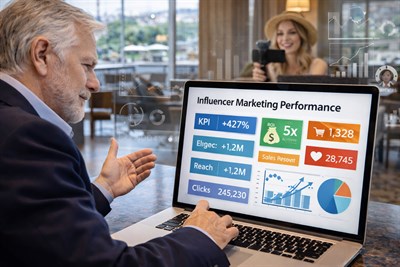
However, influencer marketing is not a media channel — it is a human channel. Creators are not ad placements; they are intermediaries of trust between a brand and an audience. Likes, views, and impressions are weak proxies for business impact if there is no connection to real decision-making.
The CPM-driven approach pushes businesses to optimize for scale instead of relevance, often resulting in large numbers that look impressive in reports but fail to influence customer behavior.
Influencer marketing fails when businesses expect media-like guarantees from human creators.
Conclusion & advice: Stop evaluating influencer marketing as ad inventory. Shift focus from impressions to influence: audience trust, context, and intent.
Mistake #2: Choosing Influencers by Size, Not Relevance
Another common influencer marketing mistake is assuming that larger audiences automatically produce better results. Businesses often equate follower count with impact, ignoring who those followers actually are.
In reality, relevance consistently outperforms scale. An influencer with a smaller but well-defined audience aligned with the product category will usually drive more meaningful outcomes than a large, generic account.
When size becomes the primary selection criterion, campaigns attract attention from the wrong people — users who consume content passively and have no purchase intent.
Conclusion & advice: Prioritize audience alignment and contextual fit over follower count. Size amplifies relevance; it cannot replace it.
Mistake #3: No Clear Business Goal
Many influencer campaigns launch without a clearly defined business objective. Businesses often state vague goals like “brand awareness” without clarifying what success actually looks like.
Without a clear goal, it becomes impossible to design the right content, choose appropriate creators, or measure outcomes. Awareness, consideration, and sales are fundamentally different objectives and require different formats, calls-to-action, and evaluation methods.
Another critical issue is the absence of attribution logic. If a business does not define how impact will be tracked — directly or indirectly — any result becomes subjective.
Conclusion & advice: Define one primary goal per campaign and align creator selection, content format, and measurement logic around it.
Mistake #4: Platform Dependency Instead of Strategy
Influencer platforms and marketplaces promise simplicity: quick access to creators, streamlined workflows, and standardized reporting. Many businesses mistake this convenience for strategy.
Platforms are tools, not decision-makers. When businesses rely entirely on platform filters and scores, they outsource critical thinking about relevance, fit, and long-term value.
This dependency often leads to transactional campaigns with little learning, weak differentiation, and no accumulation of internal expertise.
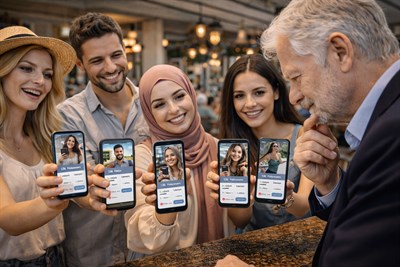
Influencer marketplace vs direct outreach
Marketplaces simplify access, but they don’t replace strategy or accountability.
Conclusion & advice: Use platforms as infrastructure, not as a substitute for strategic ownership.
Mistake #5: One-Off Campaigns With No Learning Loop
Many businesses treat influencer marketing as a series of isolated experiments. A campaign runs, content is published, reports are generated — and then everything stops.
Without a feedback loop, businesses fail to identify what worked, what didn’t, and why. This leads to repeated mistakes, inconsistent results, and the false belief that influencer marketing is unpredictable.
Successful influencer programs evolve over time. They refine creator selection, messaging, formats, and incentives based on accumulated insights.
Conclusion & advice: Treat influencer marketing as a system, not a campaign. Document learnings and iterate deliberately.
Key Takeaways
- Most influencer marketing failures are strategic, not tactical
- Reach and likes are weak indicators of business impact
- Relevance, goals, and learning loops determine long-term success
- Tools and platforms support strategy — they don’t replace it
FAQ
Why does influencer marketing fail for most businesses?
Because campaigns are often run without clear goals, proper influencer selection, or performance logic.
Is influencer marketing still effective?
Yes, but only when treated as a long-term business channel, not a one-off ad placement.
Are likes and views useless metrics?
They are not useless, but they are insufficient without context, intent, and follow-up behavior.
Do influencer platforms solve these problems?
No. Platforms can simplify execution, but they cannot replace strategic thinking.
How long does it take to see results from influencer marketing?
Results often improve over multiple cycles as businesses refine their approach and partnerships.
What is the biggest mistake businesses should avoid?
Treating influencer marketing as media buying instead of a relationship-driven growth channel.