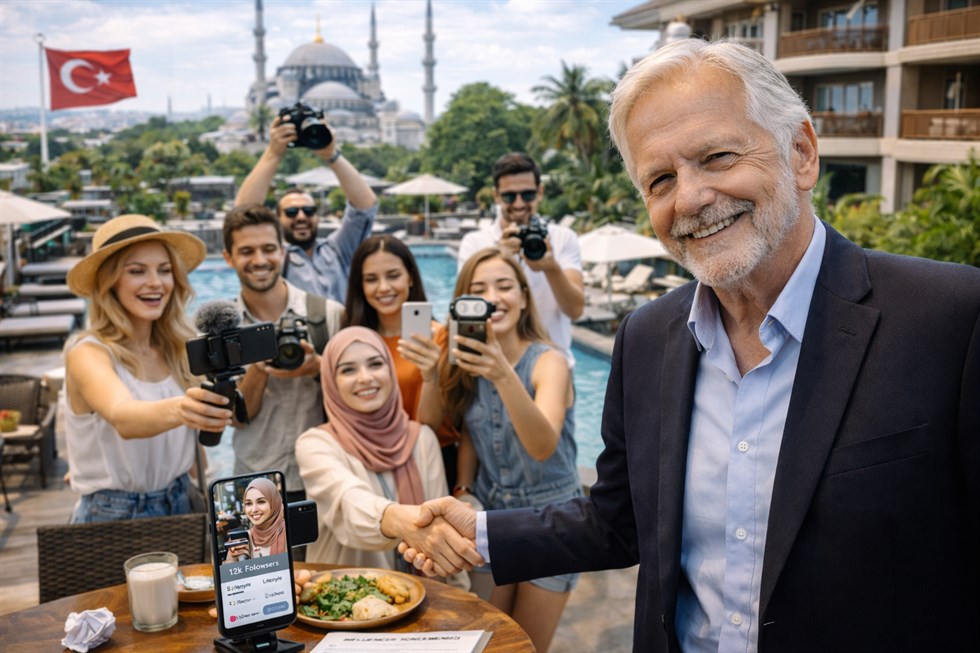
Influencer marketing Turkey has become one of the most practical growth channels for businesses that rely on attention, trust, and location-based demand. In a market shaped by tourism, local habits, and fast-moving social platforms, creators often do what traditional advertising struggles to do: turn discovery into direct action. Hotels fill rooms, restaurants get bookings, clinics attract international patients, and real estate agencies generate qualified leads — sometimes from a single well-executed creator collaboration.
This guide explains how influencer marketing in Turkey really works: the market structure, who buys it, what types of creators exist, which platforms and formats perform best, what businesses actually pay for, realistic ROI expectations, key risks, and how to run campaigns without agencies while keeping performance under control.
How Influencer Marketing Works in Turkey
Influencer marketing in Turkey is highly local, experience-driven, and tourism-powered. Unlike markets where influencer spend is mostly brand awareness, many Turkish collaborations are designed to trigger immediate outcomes: reservations, store visits, WhatsApp inquiries, bookings, and purchase decisions within hours or days.
Three factors make the Turkish market distinct:
- Tourism-driven demand: Seasonal spikes (spring–summer, holiday periods) create short windows where content must convert quickly.
- Strong local discovery behavior: People use Instagram and TikTok like search engines: “best breakfast in Antalya”, “family hotel in Side”, “dentist Istanbul”, “apartment in Alanya”.
- Language segmentation: Turkish-language creators reach locals; expat and travel creators (English/Russian/Arabic/German) reach tourists and international buyers.
In practice, influencer marketing Turkey is less about “sponsorship” and more about distribution through trust. A creator’s content becomes a recommendation, and recommendations in Turkey often outperform generic ads — especially for local businesses that depend on foot traffic and seasonal visitors.
Who Uses Influencer Marketing in Turkey
Influencer marketing in Turkey is widely used by small and mid-sized businesses because it’s flexible, fast to launch, and easier to validate than many traditional channels. The most common industries include:
- Hotels & hospitality: resorts, boutique hotels, apart-hotels, kids-friendly concepts, wellness retreats.
- Restaurants & cafés: new openings, brunch spots, beach clubs, themed venues, delivery-first concepts.
- Real estate: developers, agencies, rental management, citizenship/investment segments.
- Clinics & medical services: dental, aesthetic medicine, hair transplant, check-ups for tourists.
- Education: international schools, language centers, kids programs, university prep.
- Local services & brands: beauty, fitness, tours, car rental, events, retail.
For many of these sectors, influencer marketing Turkey becomes a primary acquisition channel because it combines content + distribution + social proof — without needing a large internal marketing team.
Types of Influencers in the Turkish Market
The Turkish influencer ecosystem is diverse. Businesses typically classify creators by size, niche, and audience language — but the real performance driver is how well the creator’s audience matches the offer.
By audience size
- Micro-influencers (5K–50K followers): high trust, strong local reach, often best for conversions.
- Mid-tier creators (50K–250K): balanced reach and credibility, solid for repeatable campaigns.
- Macro-influencers (250K+): broad visibility, strong for brand lift, not always best for direct ROI.
By audience type
- Local Turkish creators: strongest for resident audiences, local services, domestic tourism.
- Expat creators in Turkey: reach foreigners living in Turkey (English/Russian/Arabic and others).
- Travel creators: seasonal tourists, short booking cycles, strong demand for hotels, tours, experiences.
- Specialized niche creators: family/kids, luxury, wellness, food, beauty, real estate, education.
When businesses say “influencer marketing Turkey doesn’t work,” it’s often because they chose creators based on vanity metrics rather than audience relevance.
Follower count matters less than audience relevance in Turkey.
Popular Formats and Platforms
Turkey is a mobile-first, video-heavy market. Formats that feel native to the platform generally outperform polished “ad-style” content. Below are the most common platforms and how businesses use them.
Instagram (Reels + Stories)
- Stories drive immediate action: WhatsApp messages, booking links, “save this place” behavior.
- Reels generate discovery and reach beyond followers through the algorithm.
- Best for: restaurants, hotels, clinics, local services, events, retail.
TikTok
- High organic reach potential, especially for food, travel, and “before/after” services.
- Strong for impulsive discovery: “I’m going there this weekend.”
- Best for: experiences, cafés, budget-friendly offers, youth-driven brands.
YouTube
- Long-form trust: reviews, walkthroughs, comparisons, “what you really get.”
- Content stays searchable for months/years — powerful for evergreen demand (real estate, clinics, education).
- Best for: high-ticket offers, complex decisions, international buyers.
Barter collaborations (comped stays / meals / services)
Barter is common in Turkey, especially in hospitality and restaurants. But it’s not “free marketing.” It’s still a cost — and it requires control. Successful barter partnerships typically include:
- clear deliverables (number of Stories/Reels/YouTube integrations);
- posting timeline (during visit vs after);
- usage rights (can the business repost?);
- what counts as “approval” (e.g., factual corrections only, not scripting).
In influencer marketing Turkey, the format often matters more than the platform: short vertical video with real experience, specific benefits, and a simple action step usually outperforms static posts.
Pricing and ROI Expectations
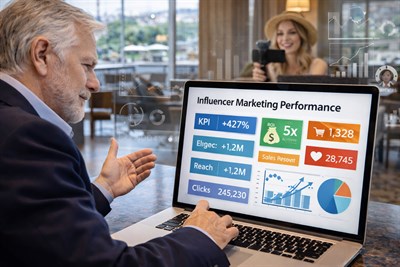
Pricing in influencer marketing Turkey varies widely by niche, region, language, season, and creator demand. Businesses should treat influencer spend like a performance channel: focus on cost per qualified inquiry, booking, or sale — not just views.
Typical pricing ranges (very general)
- Micro-influencers: ~€50–€300 per integration (often flexible, sometimes barter + fee).
- Mid-tier creators: ~€300–€1,500 depending on format and niche.
- Macro-influencers: €2,000+ (sometimes significantly higher).
However, “how much it costs” is the wrong first question. The better question is: what are we buying? In Turkey, businesses pay for one or more of these outcomes:
- Local discovery: reaching people in a city/region who are ready to visit.
- Trust transfer: the creator vouches for the experience.
- Content production: reusable video assets the business can repost.
- Immediate demand: spikes in messages and bookings.
Realistic ROI expectations depend on the offer:
- Restaurants / cafés: often see fast spikes in visits and reservations after Stories/Reels.
- Hotels: higher ticket, slower cycle; best measured by inquiries, saved posts, and booking conversions.
- Clinics: trust-heavy; ROI comes through qualified consultations and long-form proof.
- Real estate: long cycle; success is lead quality and pipeline growth, not instant sales.
Multiple micro-influencers often outperform one large creator.
How Businesses Work Without Agencies
Many businesses run influencer marketing Turkey campaigns without agencies — and often achieve better efficiency. The key is replacing “random one-off deals” with a repeatable process: creator sourcing, vetting, clear deliverables, and performance tracking.
Step 1: Define your target and offer (before you contact creators)
- Who are you targeting: locals, tourists, expats, international buyers?
- What action do you want: booking, WhatsApp inquiry, visit, website click, lead form?
- What’s the conversion hook: limited-time offer, signature product, unique experience, guarantee?
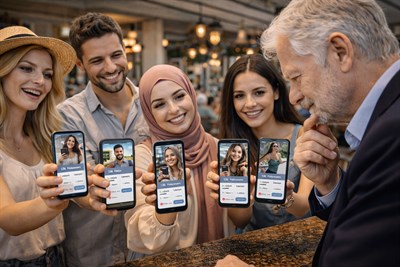
Step 2: Find creators by location + niche (not by popularity)
In Turkey, location matters. A smaller Antalya-based creator can outperform a large general lifestyle account if the audience is local and ready to act. Prioritize creators with:
- consistent content in your category (food, hotels, family, beauty, real estate);
- strong story engagement (replies, polls, DMs);
- clear audience geography and language.
Step 3: Vet creators like a performance partner
- check recent sponsored posts: do they feel authentic or forced?
- review comment quality (real questions vs bots);
- ask for audience insights (top cities, age, gender);
- evaluate whether the creator can explain your offer simply.
Step 4: Control deliverables and timeline
Successful collaborations are built on clarity. Agree on:
- format (Stories/Reels/YouTube), number of pieces, and posting dates;
- must-have points (location, price range, booking method, key benefits);
- what the business can reuse (reposting rights);
- what counts as success (KPIs).
Step 5: Track performance properly
- unique promo codes or booking phrases;
- UTM links for website traffic;
- WhatsApp click tracking (where possible);
- message volume and lead quality after posting.
To make this workflow easier, businesses increasingly use creator platforms instead of manual searching. Link2Star.online is built for direct collaboration: it helps businesses in Turkey find relevant creators by niche and location, compare options, and run partnerships without agency overhead — especially useful for hotels, restaurants, services, and local brands that need predictable results rather than “viral luck.”
For niche-specific playbooks, see: influencer marketing for hotels, for restaurants, and creator-side economics: how bloggers make money.
Key Takeaways
- Influencer marketing Turkey is local and tourism-driven; location relevance often beats follower count.
- Micro and mid-tier creators typically deliver stronger conversions than macro-influencers.
- Instagram Reels + Stories dominate for fast action; YouTube wins for high-ticket decisions and long-term trust.
- Barter collaborations can work, but only with clear deliverables and timelines.
- Pricing varies widely; measure success by qualified inquiries and bookings, not views alone.
- Direct outreach works best when paired with creator vetting and performance tracking.
- Platforms like Link2Star.online help businesses collaborate without agencies while keeping the process structured.
FAQ: Business Questions About Influencer Marketing in Turkey
How much does influencer marketing cost in Turkey?
Costs vary by platform, niche, and season. As a rough benchmark, micro-influencers may charge €50–€300 per integration, mid-tier creators €300–€1,500, and macro-influencers €2,000+. The better approach is to calculate cost per qualified inquiry or booking rather than cost per post.
Does barter collaboration work in Turkey?
Yes, barter is common — especially for hotels and restaurants — but it only works with clear deliverables (number of Stories/Reels/videos), posting dates, and usage rights. Otherwise, it often produces weak or inconsistent results.
Which creators generate the most sales?
In many cases, micro- and mid-tier creators with a tightly matched audience generate more bookings than large general accounts. Local relevance, niche fit, and trust usually outperform follower count.
Can businesses run influencer campaigns without agencies?
Yes. Many businesses in Turkey work directly with creators to reduce cost and improve speed. The key is having a repeatable process: creator sourcing, vetting, clear KPIs, and tracking. Platforms like Link2Star.online can simplify discovery and direct collaboration without agency overhead.
What are the biggest mistakes businesses make?
The most common mistakes are choosing creators based on follower count, ignoring audience geography and language, running one-off campaigns without testing, and measuring success only by views instead of leads, bookings, and message volume.
How do you measure ROI from influencer marketing in Turkey?
Use a mix of methods: unique promo codes, UTM links, dedicated landing pages, WhatsApp inquiry tracking, and lead quality reviews. For long-cycle niches (real estate, clinics, education), measure pipeline impact, not same-day sales.
Is Instagram still the best platform for influencer marketing in Turkey?
For many local businesses, yes — especially through Reels and Stories. TikTok can outperform Instagram for organic reach in certain niches, while YouTube remains best for high-trust, high-ticket decisions.