For most creators, the real bottleneck isn’t content ideas — it’s monetization. If you’ve ever wondered how to find brand deals consistently (not just once in a while), you’re not alone. The market is bigger than ever, but it’s also noisier: brands receive endless pitches, creators compete in every niche, and “just DM a brand” rarely works anymore.
This guide breaks down what actually works in 2026: proven outreach, why brands ignore most pitches, and why creator platforms like Link2Star.online increasingly drive consistent paid collaborations.
Why Finding Brand Deals Is Harder Than Ever
Finding brand deals used to feel straightforward: build an audience, send a few emails, and eventually a sponsor says yes. Today, creators at every level are asking the same question — how to find brand deals — because the old playbook is failing more often. Here’s why.
- The creator economy is saturated. Brands can choose from thousands of creators in any category, so “good enough” content isn’t enough to stand out.
- Brands are tired of random pitches. Most messages are generic, poorly targeted, and lack clear deliverables or a business outcome.
- Marketing teams are risk-averse. Many brands want predictable performance and clear reporting, not experiments with unknown creators.
- Algorithms changed distribution. Even strong creators can’t always guarantee reach, which makes brands ask harder questions about ROI.
The shift is simple: brands no longer buy “followers.” They buy clarity — clear audience fit, clear deliverables, clear expectations, and clear results.
Traditional Ways Bloggers Look for Brand Deals
There are still classic ways to get sponsorships, and they can work — but they’re often unstable. If you rely on them alone, you’ll feel like you’re constantly hunting instead of building.
- Cold email outreach. Effective when personalized and targeted, but response rates are low and the process takes time.
- DMs on Instagram/TikTok. Fast and informal, but many brands don’t treat DMs as a serious business channel.
- Agencies and talent managers. They can land bigger campaigns, but they often prioritize larger creators and take fees/commissions.
- Networking and referrals. Great when it happens, but not predictable and difficult to scale.
Traditional methods can still be part of your strategy — especially when you have a clear niche. But they tend to produce random wins rather than a steady pipeline.
Why Brands Ignore Blogger Pitches
Creators often assume silence means “they didn’t like me.” In reality, brands ignore pitches because most pitches create work, uncertainty, or risk. From the brand side, the decision process is practical:
- No clear audience fit. A brand can’t tell who your audience is or why they should care.
- Unclear deliverables. “I can promote you” is vague. Brands want formats, timelines, and specifics.
- No proof of performance. Brands look for engagement quality, past integrations, and conversion signals.
- Too much back-and-forth. If a brand needs 10 messages to understand basics, they’ll move to the next creator.
- Budget mismatch. Either a creator undervalues their work (red flag) or the ask doesn’t align with the brand’s expectations.
Brands don’t ignore you because you’re not “big enough.” They ignore you when it’s not easy to evaluate you quickly.
Creator Platforms as the New Solution
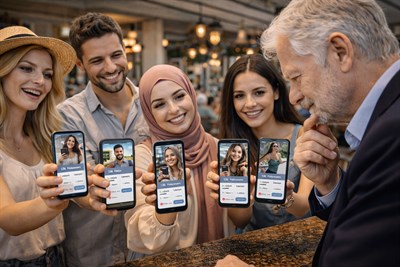
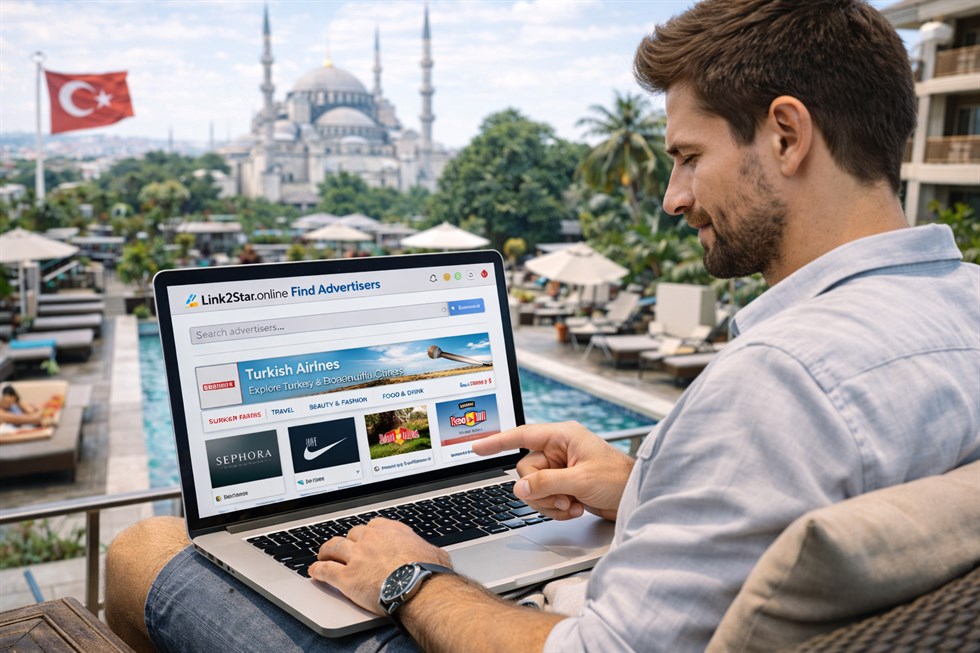
This is why creator marketplaces and platforms are becoming the new standard. They replace chaos with structure. Instead of scattered DMs and messy email threads, platforms give brands a searchable database of creators with consistent profiles.
For brands, platforms solve three core problems:
- Discovery. Find creators by niche, location, audience, and content format.
- Comparison. Evaluate multiple creators side-by-side without chasing information.
- Speed. Shorten the path from “we need creators” to “we’re sending offers.”
For creators, platforms flip the dynamic: instead of chasing brands, you position your profile so brands can find you. That’s the most reliable answer to how to find brand deals without burning hours every week on cold outreach.
How Link2Star Helps Bloggers Get Brand Deals
Link2Star is built specifically to connect brands with creators in a direct, practical way — without the friction of agencies and endless back-and-forth. The core idea is simple: creators build a clear profile, and brands send inbound collaboration requests based on real needs.
What makes Link2Star.online especially useful in 2026 is the “pipeline effect.” Your profile becomes a passive asset that works while you create content. Instead of repeating the same pitch 100 times, you invest once in a strong profile and let inbound requests do the heavy lifting.
Key benefits for creators:
- Inbound brand requests. Brands reach out because they already want to collaborate — the conversation starts warmer.
- Better match by niche and audience. Your content category and positioning help filter irrelevant offers.
- Direct deals without agency friction. You negotiate faster and keep more of the value of your work.
- Clearer expectations. Structured profiles and requests reduce misunderstandings about formats and deliverables.
- Time savings. Less pitching, less chasing, more actual content production.
If you want a simple starting point, create your profile and make yourself discoverable to brands here:
Inbound brand requests outperform cold outreach for most creators.
To strengthen your overall monetization strategy, it also helps to understand how deals typically work, what brands pay for, and what revenue models are realistic. See this guide: How Bloggers Make Money.
What Type of Bloggers Get Deals Faster
Brands don’t only pay “big creators.” They pay creators who are easy to trust, easy to evaluate, and clearly relevant. In practice, these profiles tend to get deals faster:
- Niche creators. Food, travel, fitness, beauty, parenting, tech — clear categories reduce brand uncertainty.
- Micro creators with high engagement. Smaller audiences often convert better because trust is stronger.
- Local creators. Especially valuable for hotels, restaurants, clinics, and services that rely on location-based customers.
- Creators with a clear offer. If you show formats, pricing ranges, and examples, brands move faster.
- Creators with consistent content cadence. Predictability signals reliability to brands.
The fastest way to attract brand deals is to become “easy to say yes to.” That’s mostly about clarity and positioning, not follower count.
Key Takeaways
- In 2026, learning how to find brand deals is less about pitching harder and more about building a reliable deal pipeline.
- Cold outreach can work, but it’s slow and inconsistent for most creators.
- Brands ignore pitches when audience fit, deliverables, and results aren’t clear.
- Creator platforms are becoming the default because they reduce chaos for brands.
- Link2Star helps creators get inbound requests and close deals faster with less friction.
- Niche, local, and high-engagement creators often win deals quicker than large general accounts.
FAQ
How to find brand deals as a blogger in 2026?
In 2026, the most reliable way to find brand deals is to combine visibility and structure. Creator platforms are the foundation because they generate inbound brand requests, while targeted outreach can complement them. A strong creator profile — clearly explaining your niche, audience, content formats, and collaboration terms — significantly increases deal flow. Platforms such as Link2Star help bloggers move from random pitching to a predictable pipeline of brand inquiries.
Do creator platforms actually help bloggers get paid collaborations?
Yes — when platforms are actively used by brands and provide searchable, transparent creator profiles. The best platforms reduce friction: brands can quickly evaluate creators, compare options, and send collaboration requests without long email chains. This is why many creators see higher response rates and faster deal closures on platforms than through cold outreach.
Do you need a big following to get brand deals?
No. Brands increasingly prioritize relevance and engagement over raw follower count. Micro creators with a clearly defined audience often deliver better conversion and trust, which makes them attractive even with smaller numbers.
Why do brands ignore most outreach emails and DMs?
Most outreach fails because it creates uncertainty for the brand. Generic messages, unclear deliverables, missing audience data, and vague pricing force brands to ask follow-up questions — or ignore the pitch altogether. Brands respond faster when everything they need to evaluate a creator is visible upfront.
How much do brands pay bloggers for sponsorships?
Pricing depends on niche, platform, content format (Reels, Stories, YouTube, blog posts), engagement quality, and campaign goals. Creators who present clear deliverables, realistic pricing ranges, and past performance examples typically command higher and more consistent rates.
Can bloggers get deals without agencies?
Yes. In 2026, direct brand–creator collaborations are common and often preferred. Creator platforms enable these deals by removing middlemen, speeding up negotiations, and allowing creators to keep full control over pricing and formats.
What should a blogger include to attract brand deals faster?
To attract deals faster, a blogger should clearly define their niche, audience demographics, content formats, and collaboration options. Including examples of past brand integrations and making this information visible on a creator platform increases trust and helps brands make quicker decisions.